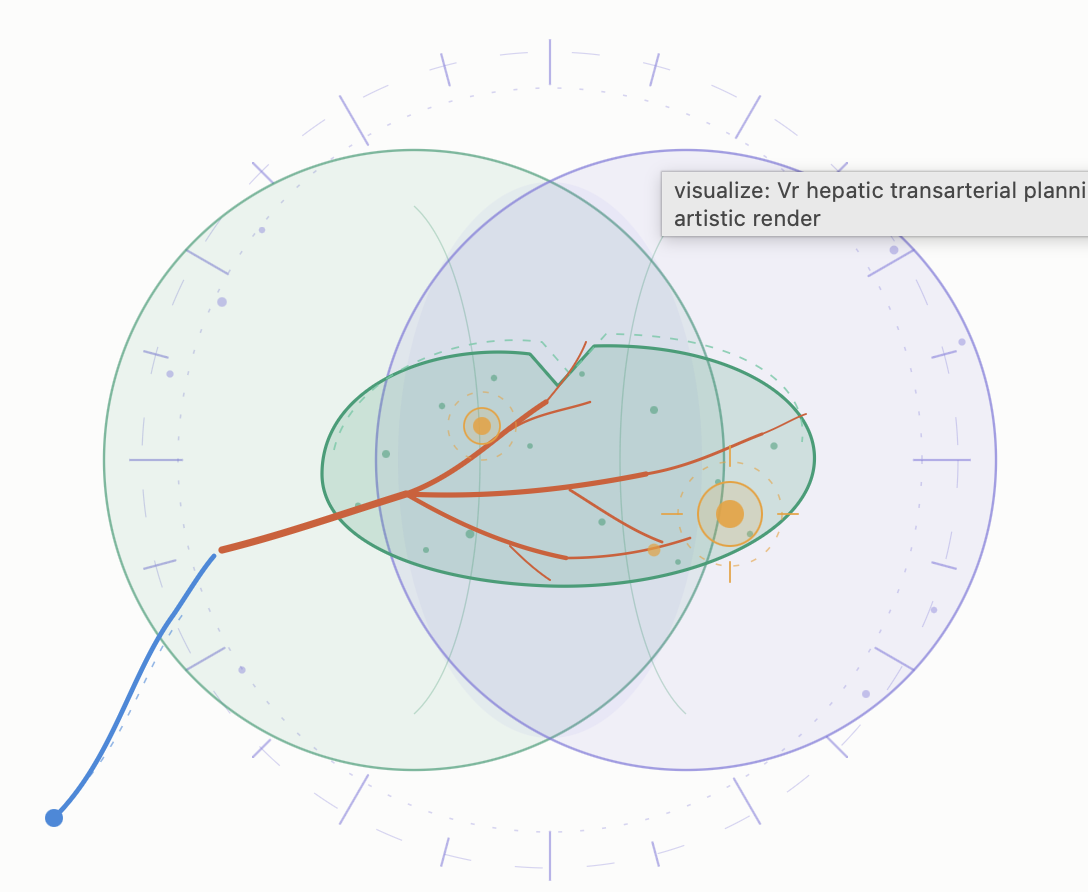
Augmented and Virtual Reality for Preprocedural Planning in Hepatic Transarterial Interventional Oncology

Dr. Gordon will present applications of spatial computing in interventional radiology, focusing on patient-specific 3D visualization for hepatic arterial anatomy and Y-90/TARE (transarterial radioembolization) vascular navigation and treatment planning. He'll show how conventional cross-sectional and angiographic imaging can be converted into interactive 3D representations of tumor and vascular anatomy — viewed on Apple Vision Pro — to support catheter selection and procedural planning. The talk will be grounded in results from a recent 50-case pilot of AR/VR-based planning in complex interventional oncology procedures: planning took a median of 5 minutes and was judged to have changed the procedural approach in 46% of cases, largely by improving identification of tumor-feeding arteries and complex hepatic arterial anatomy. Finally, transitioning to intra-procedural guidance, use cases, and emerging directions —multimodal integration, co-registered overlays, multidisciplinary collaboration, and integration with Y-90 dosimetry — will be shared.
September 24, 2026· 5:00 PM EDT
60 minutes
Clinical - Technical

Speaker

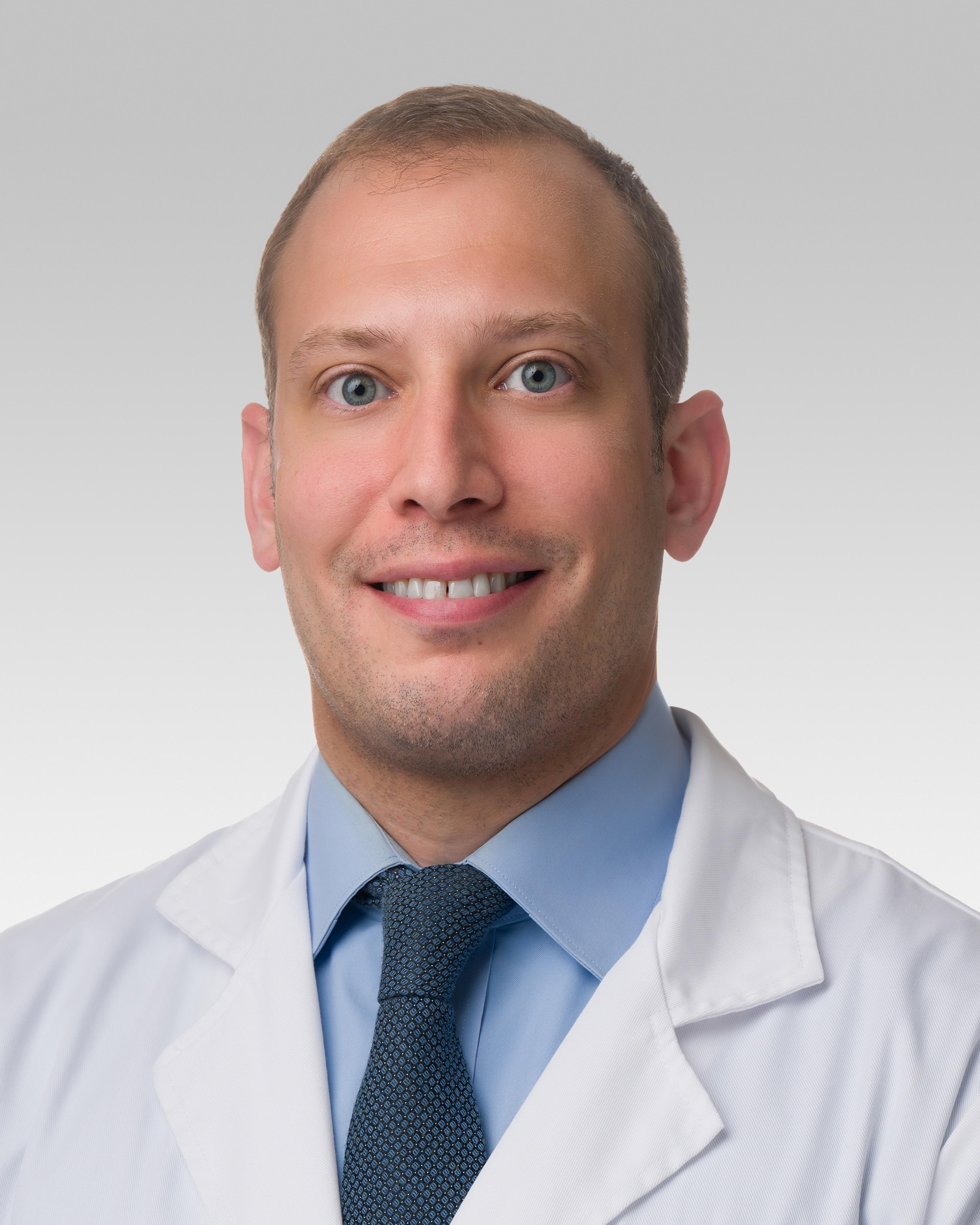
Andrew C Gordon, MD, PhD
Speaker

Andrew C Gordon, MD, PhD

Assistant Professor of Radiology, Associate Program Director IR/DR Residency Northwestern Memorial Hospital

Andrew C Gordon, MD, PhD

Speaker

Andrew C Gordon, MD, PhD

Assistant Professor of Radiology, Associate Program Director IR/DR Residency Northwestern Memorial Hospital

Andrew C. Gordon, MD, PhD, is an interventional radiologist and physician-scientist at Northwestern University whose research focuses on developing and translating image-guided therapies for cancer. His work centers on interventional oncology, with particular emphasis on yttrium-90 (Y-90) transarterial radioembolization, personalized dosimetry, radiation segmentectomy and lobectomy, and advanced imaging biomarkers for liver malignancies. His research spans preclinical development, quantitative imaging, and clinical investigation, with the goal of improving treatment selection, optimizing therapeutic dose delivery, and expanding the curative potential of minimally invasive cancer therapies. His publication record includes studies of hepatocellular carcinoma, intrahepatic cholangiocarcinoma, breast cancer, neuroendocrine and colorectal liver metastases, as well as novel embolic and drug-delivery technologies.

A complementary focus of Dr. Gordon’s research is the integration of emerging imaging and spatial-computing technologies into interventional procedures. His current work investigates augmented and mixed reality for preprocedural planning and intraprocedural guidance, alongside novel approaches to multimodal imaging, radiomics, and theranostics. Across these efforts, his research aims to bridge engineering, imaging science, and clinical medicine to create more precise, personalized, and effective image-guided cancer therapies.

Reserve Your Spot

Register for This Talk

Registration for this session is handled on an external site, which opens in a new tab.

Register Now(opens in a new tab)